Y-Junction Systems
Compact. Flexible. Economical.
Cost-efficient standalone solutions with flexible relocation capabilities
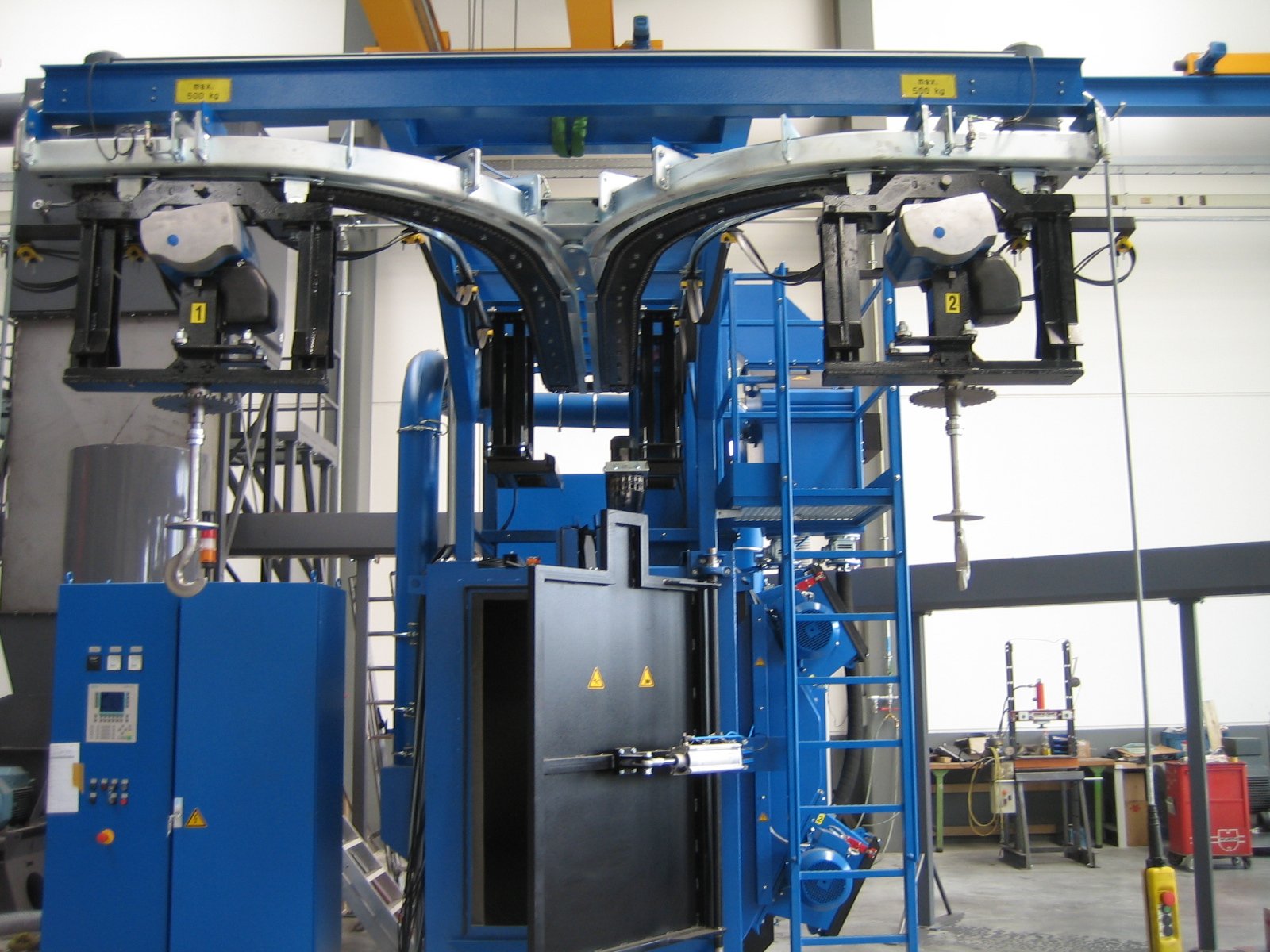
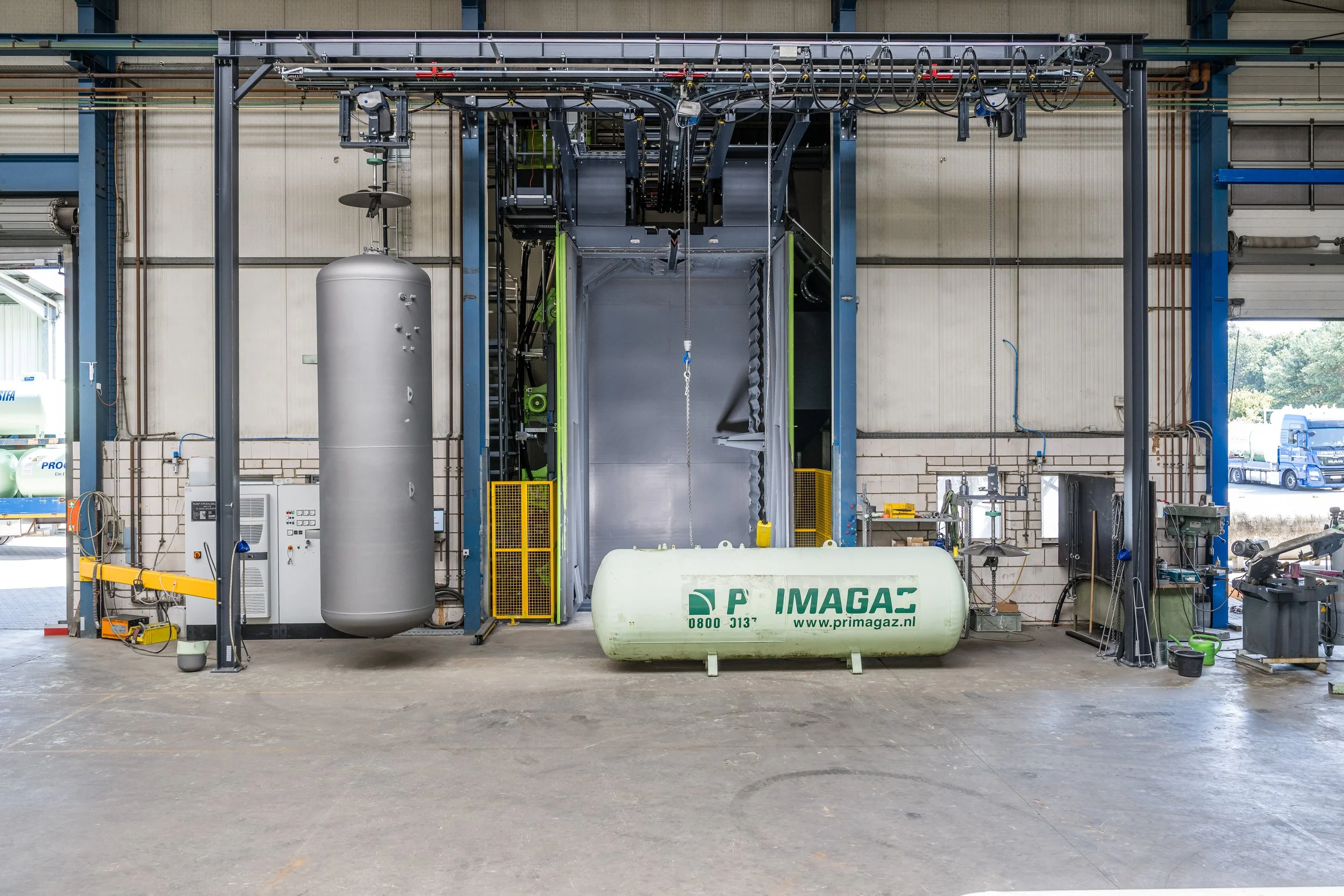
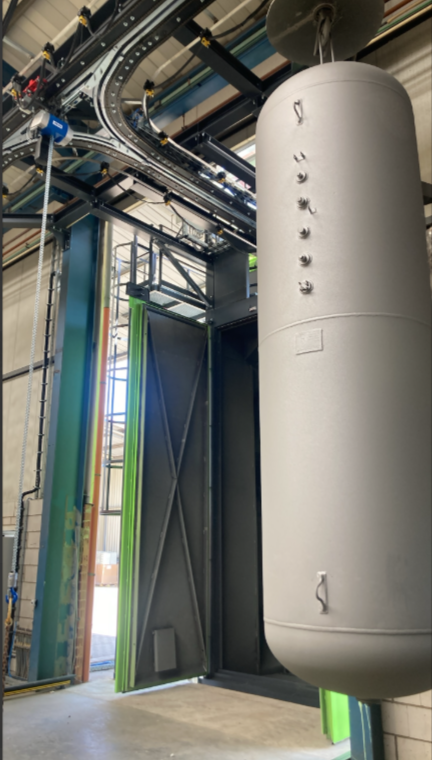
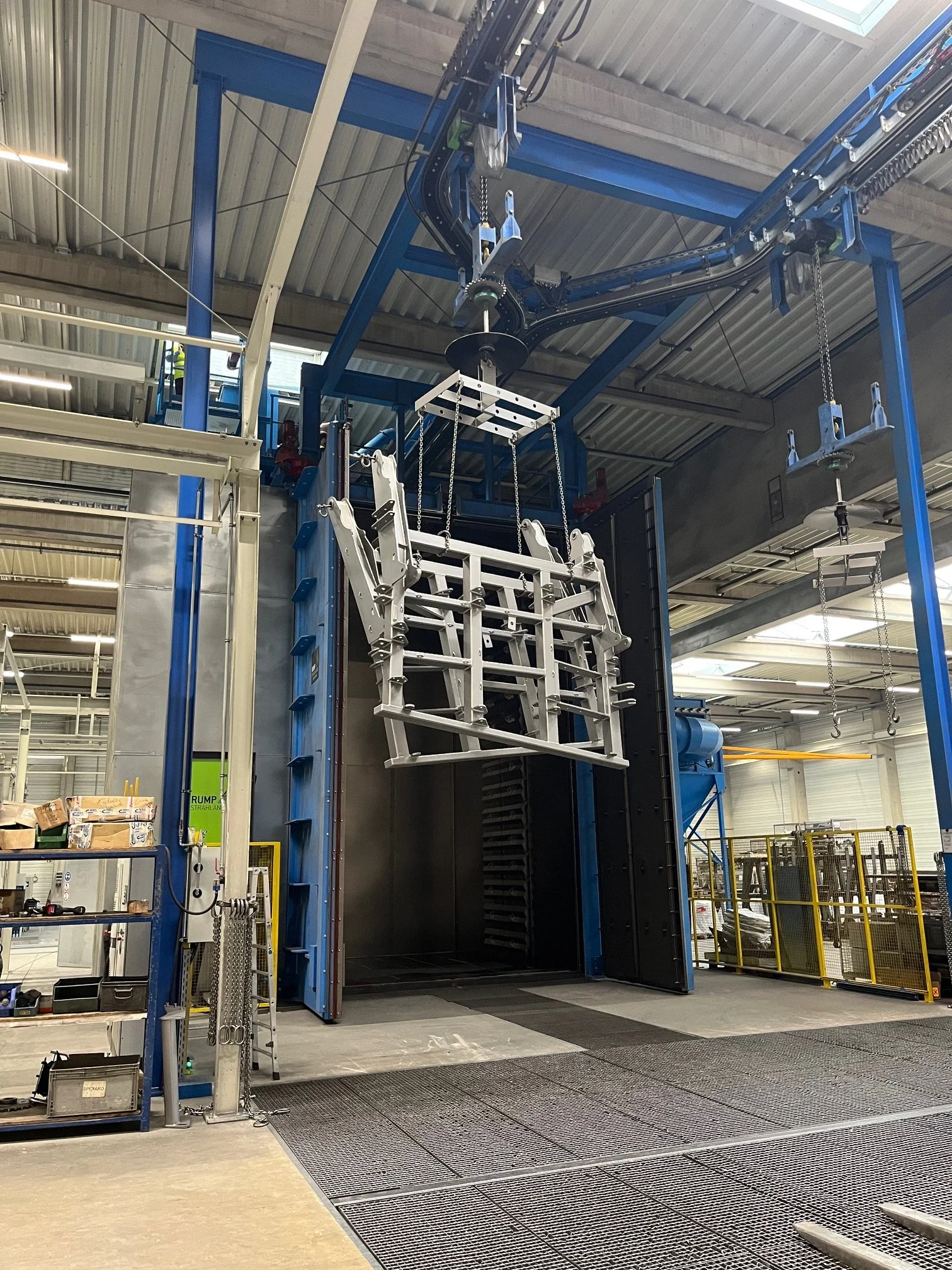
Y-systems are exceptionally efficient and versatile conveyor systems, ideally suited for compact production areas and flexible manufacturing concepts. They facilitate targeted material flow between various workstations and can be optimally adapted to evolving requirements.
Their design enables the implementation of diverse track layouts and the flexible interconnection of processes. Particularly for standalone solutions or decentralized production environments, Y-systems provide an economical yet high-performance alternative to more complex conveyor systems.
Technical Specifications:
Load Capacity: 500–12,000 kg
Operation: Manual or Automated
Flexible Routing and Easy Integration
Modularly Expandable
With their robust construction, straightforward operation, and high adaptability, Y-systems represent the ideal solution for companies prioritizing efficient, scalable, and economical conveyor technology.
System Overview
A Y-conveyor system is a conveyor system designed to distribute goods across two or more conveyor lines. It enables the targeted diversion of material flows.
- Production Lines
- Sorting and Distribution Systems
- Logistics and Shipping Areas
- Assembly Processes
Components
- Conveyor Lines with Y-Junction
- Diverter or Deflection Systems
- Drive Units
- Sensor Technology and Control
- Safety Devices
Operating Principle
Goods are transported along a main route and distributed in different directions via a Y-junction.
- Automatic or Manual Diverting
- Targeted Deflection of Conveyed Goods
- Integration into Control Systems
System Principle
- Branching of Conveyor Lines
- Flexible Material Distribution
- Automated control is possible
Automatic Operation
- Automated control of diverters
- Continuous material flow
- Sensor monitoring
Manual Operation
- For Maintenance and Setup
- Manual control is possible
- Only by Trained Personnel
Safety Instructions
- No intervention during operation
- Keep hazardous areas clear
- Do not remove safety guards
- Ensure emergency stop is always accessible
Commissioning
- Inspect the system
- Start the control system.
- Select Operating Mode
- Initiate Start
Operation
- Monitor material flow
- Inspect diverter functionality
- Prevent disruptions
Special Notes
- Ensure uniform loading
- Regularly inspect diverters
- Avoid overloading.
Maintenance and Inspection
- Mechanical inspection
- Sensor system inspection
- Lubrication of Moving Parts
Technical Note
Maintenance work must only be performed by qualified personnel.
System Overview
A Y-conveyor system is a conveyor system designed to distribute goods across two or more conveyor lines. It enables the targeted diversion of material flows.
- Production Lines
- Sorting and Distribution Systems
- Logistics and Shipping Areas
- Assembly Processes
Components
- Conveyor Lines with Y-Junction
- Diverter or Deflection Systems
- Drive Units
- Sensor Technology and Control
- Safety Devices
Operating Principle
- Automatic or Manual Diverting
- Targeted Deflection of Conveyed Goods
- Integration into Control Systems
System Principle
- Branching of Conveyor Lines
- Flexible Material Distribution
- Automated control is possible
Automatic Operation
- Automated control of diverters
- Continuous material flow
- Sensor monitoring
Manual Operation
- For Maintenance and Setup
- Manual control is possible
- Only by Trained Personnel
Safety Instructions
- No intervention during operation
- Keep hazardous areas clear
- Do not remove safety guards
- Ensure emergency stop is always accessible
Commissioning
- Inspect the system
- Start the control system.
- Select Operating Mode
- Initiate Start
Operation
- Monitor material flow
- Inspect diverter functionality
- Prevent disruptions
Special Notes
- Ensure uniform loading
- Regularly inspect diverters
- Avoid overloading.
Maintenance and Inspection
- Mechanical inspection
- Sensor system inspection
- Lubrication of Moving Parts
Maintenance work must only be performed by qualified personnel.
-
![Y-System H150 Blast Cabinet]()
Y-System H150 Blast Cabinet
-
![Y-System F70 Blast Cabinet]()
Y-System F70 Blast Cabinet
-
![Y-System F100 Blast Cabinet]()
Y-System F100 Blast Cabinet
-
![Y-System H100 Workpiece]()
Y-System H100 Workpiece