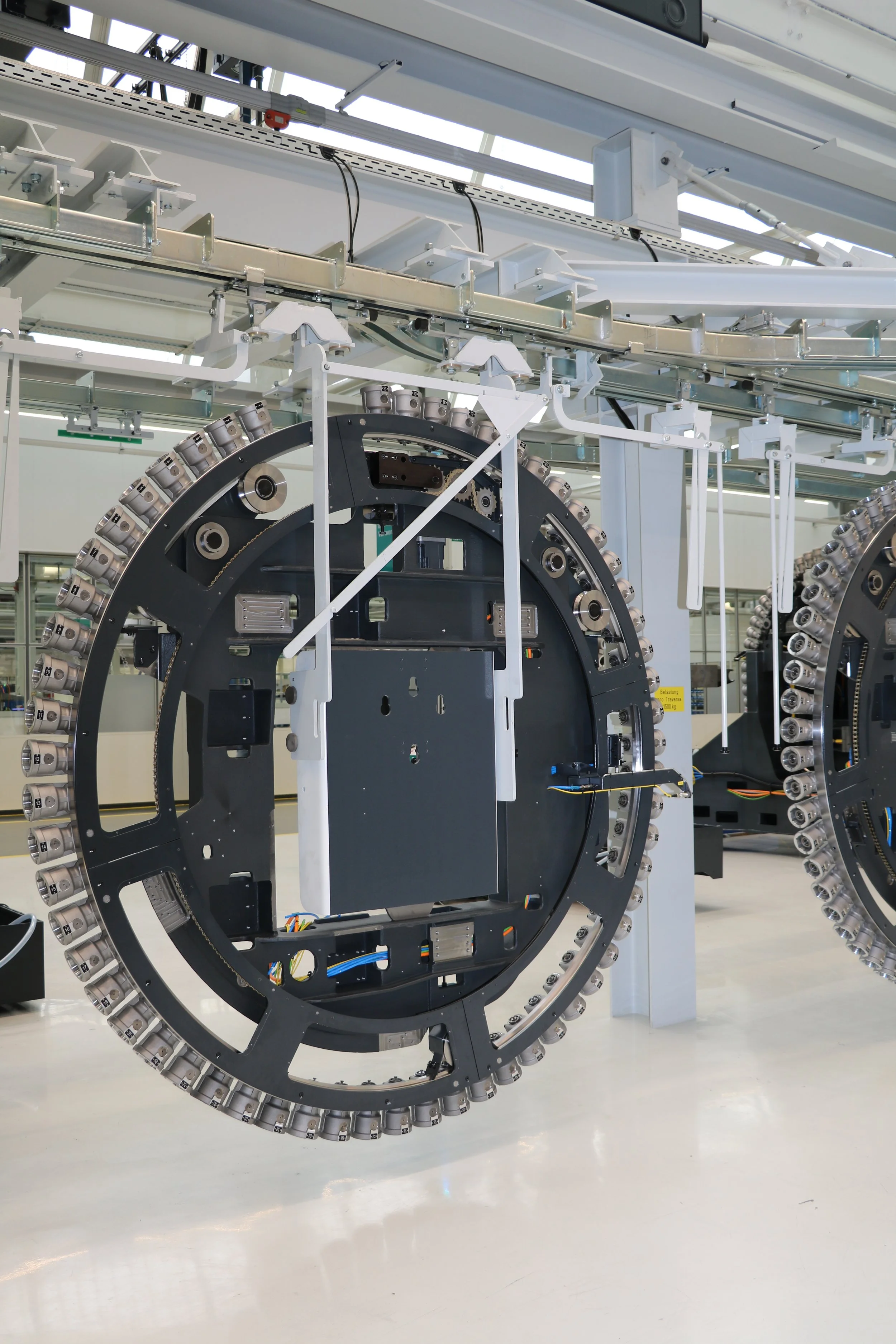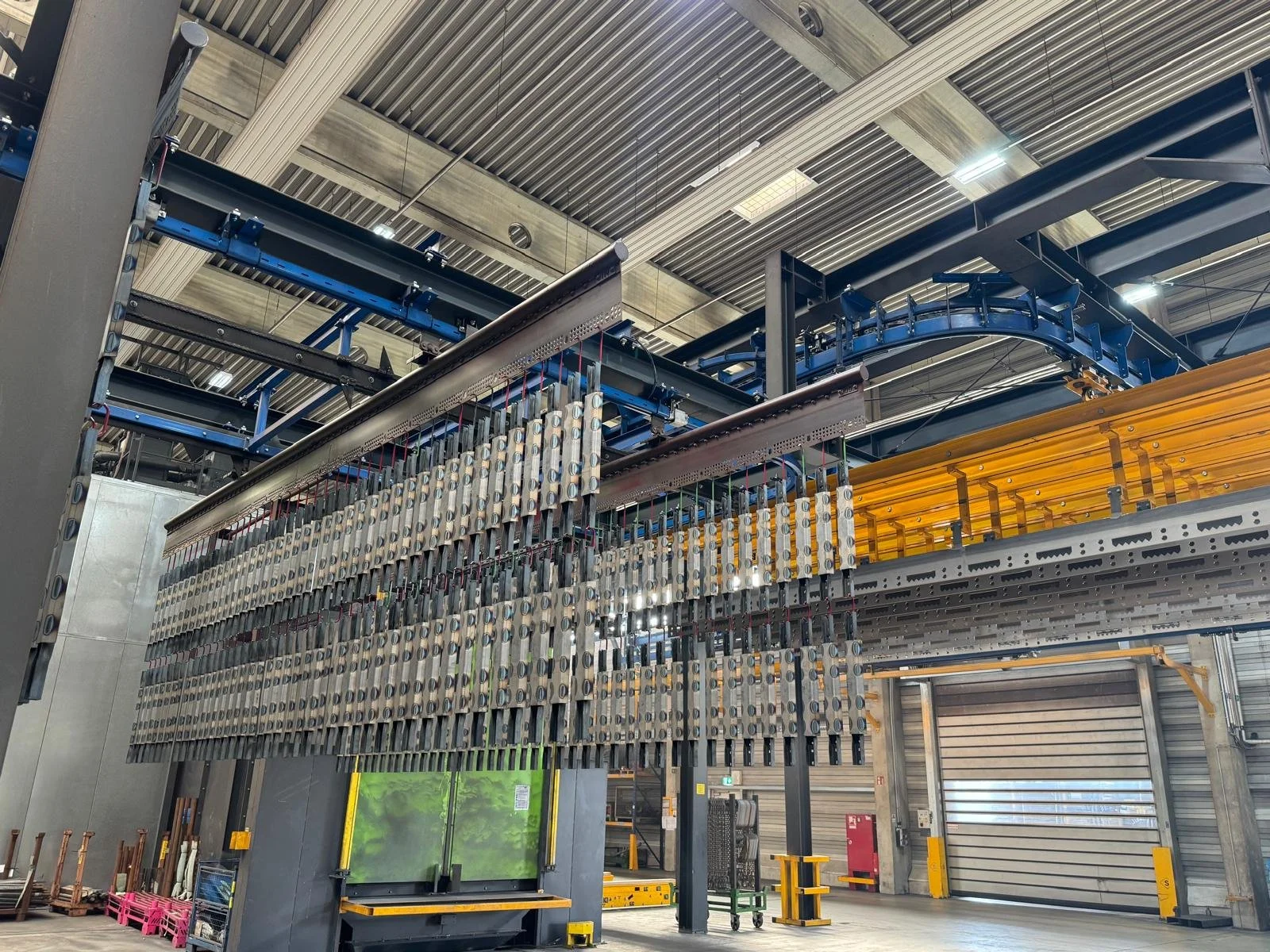
Manual Overhead Conveyors
High-performance. Flexible. Future-proof.
Targeted Material Flow via Manual Overhead Conveyor Systems
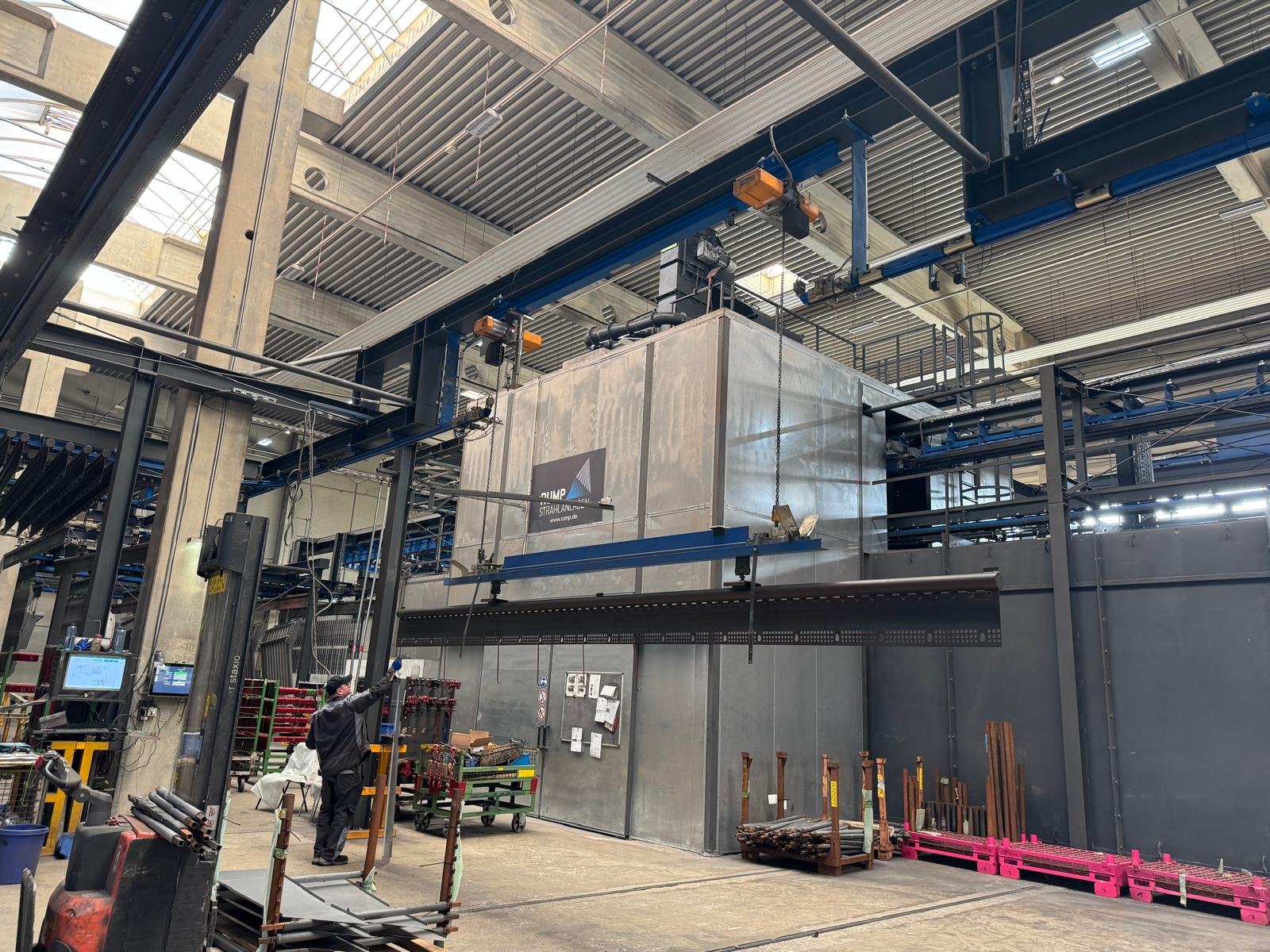
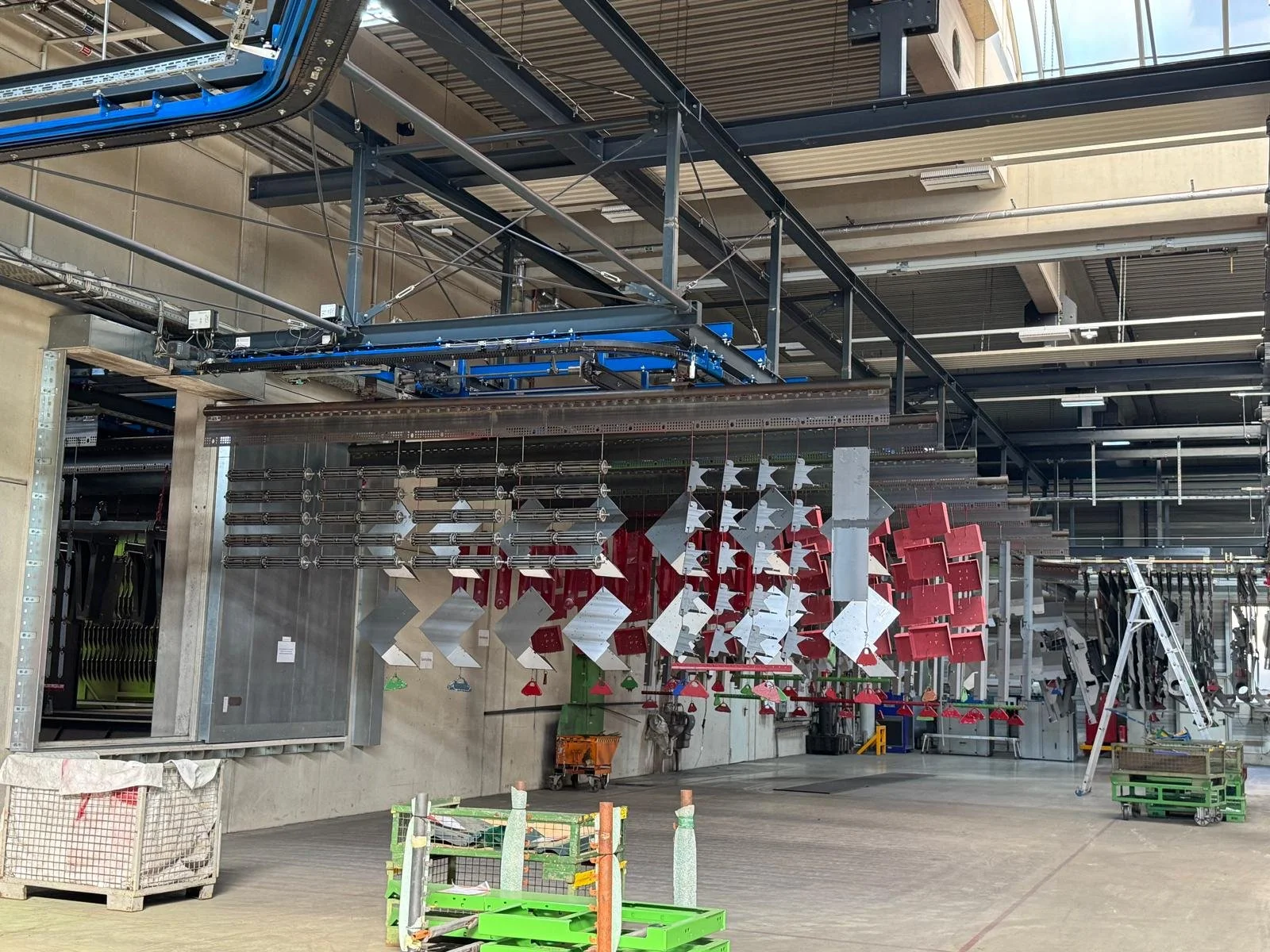
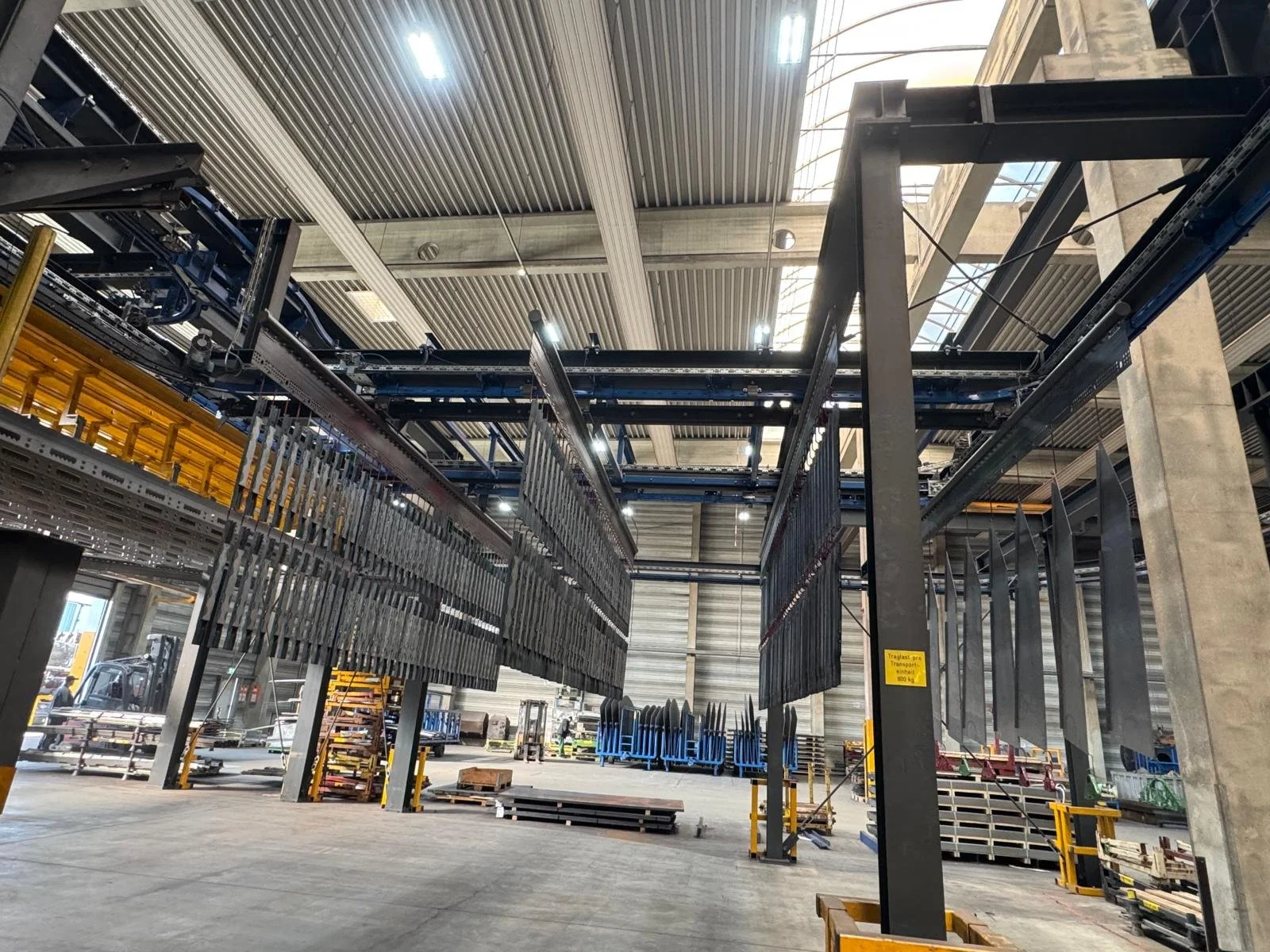
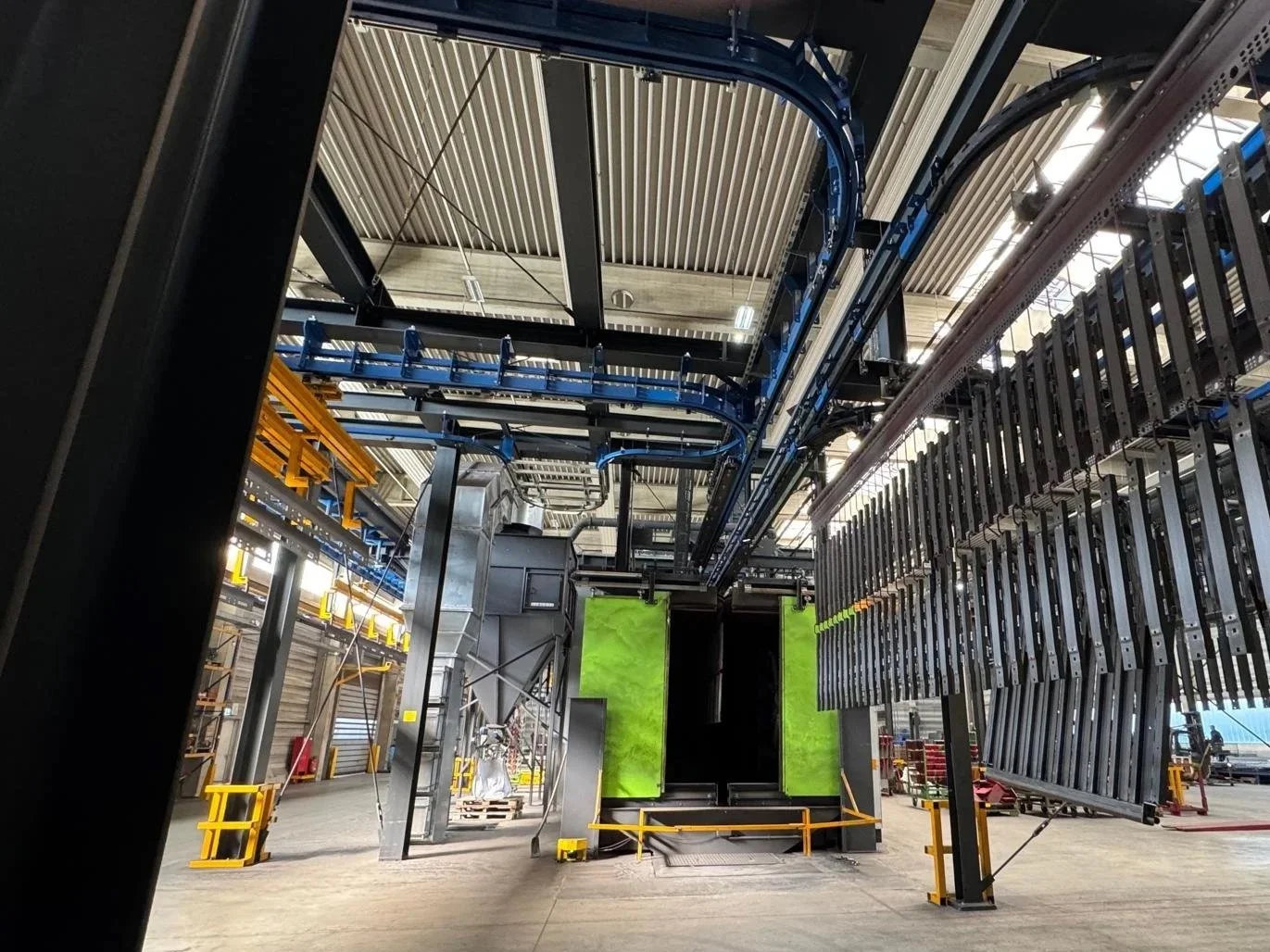
Our manual overhead conveyor systems provide a cost-effective means to optimize internal transport routes. They comprise a robust rail system with trolleys, enabling manual guidance of loads.
Their deployment facilitates a targeted material flow within the facility and significantly reduces the physical strain on your personnel.
With a load capacity ranging from 500 to 2,000 kg, our systems provide the ideal solution for assembly workstations, production lines, and logistics areas. Whether for manual operation or semi-automated configurations, we adapt the technology flexibly, ergonomically, and reliably to your specific processes.
Thanks to diverse expansion options, the system can be individually configured. Our solutions are characterized by maximum flexibility, robust construction, and simple, intuitive operation. This approach enhances both efficiency and process reliability – now and for the future.
System Overview
A manual overhead conveyor system is a manually operated conveying system designed for the horizontal and, in some cases, vertical transport of loads, utilizing an overhead-mounted rail structure.
- Assembly Workstations
- Production Lines
- Workshops
- Logistics and Picking Areas
- Production Lines with Manual Material Flow
System Components
Manual overhead conveyor systems typically consist of the following components:
- load-bearing rail profiles
- trolleys or carriages
- load handling attachments such as traverses, hooks, or fixtures
- optional switches, turntables, or transfer carriages
System Functionality
The load is suspended from a trolley within the rail. The operator guides the load by precisely moving the trolley.
- Longitudinal movement
- Diverting to other tracks via switches
- optional lifting or lowering via hoists
Examples include spring balancers, tool balancers, manual chain hoists, or automatic lift/lower stations.
Effortless Movement
Movement is exceptionally effortless, as the trolleys are typically equipped with suitable components for low-friction operation.
- ball-bearing rollers
- low rolling resistance
- optimized rail profiles
Normal Operation
As manual overhead conveyor systems are operated exclusively by hand, there are no electrical operating modes. Nevertheless, various usage scenarios are distinguished in daily operation.
- Moving the load by pulling and pushing the trolleys
- Guidance along the rail or through switches
- Transport at ergonomic speed
- all movements unpowered
Operation with Hoists
If balancers, spring balancers, manual chain hoists, or lift/lower stations are integrated, additional movement sequences arise.
- Manual Lifting and Lowering
- Automatic Lifting and Lowering
- Load remains guided by the trolleys
Safety Instructions
Manual overhead conveyor systems are considered safe. Nevertheless, the following rules must be strictly observed for reliable operation:
- The permissible load capacity of the system and the trolleys must not be exceeded.
- Only trained personnel are permitted to operate the system.
- The load must not be swung or moved over personnel.
- Strong jerking or striking of the load must be avoided.
- Hands must not get caught between the trolley and the rail.
- Visual contact with the load is always required during transport.
Engaging the Load
- Ensure that the system is freely accessible.
- Position the trolley above the load.
- Secure load handling attachments, such as hooks or spreaders, correctly.
- Verify that the load is securely suspended and all safety latches are engaged.
Conveyance Along the Track
- Move the trolley smoothly.
- Avoid abrupt movements.
- Maintain a controlled speed, adjusted to the operational environment.
- Operate the switch.
- Guide the trolley into the new direction.
- Continue controlled movement.
Lowering the Load
- Lower the load slowly and in a controlled manner, provided a hoisting device is available.
- Release the load attachment.
- Unload the trolley and move it to the parking position.
Special Notes
- For extended distances or heavy loads, transport should be performed by two operators.
- Switches and transfer points must be regularly inspected for smooth operation and proper locking.
- In the event of unusually high rolling resistance, the system must be inspected immediately.
- Never leave loads permanently suspended on the track unless explicitly designed for such an application.
Maintenance and Inspection
Regular maintenance ensures safe and reliable operation. This specifically includes the following measures:
- Visual inspection of the rails for wear or damage.
- Inspection of trolleys and rollers.
- Functional testing of switches.
- Verification of fastening points on the supporting structure.
- Lubrication of running rollers, if specified by the manufacturer.
- Inspection of all load handling attachments.
Technical Note
Maintenance work may only be performed by qualified specialist personnel.
System Overview
A manual overhead conveyor system is a manually operated conveying system designed for the horizontal and, in some cases, vertical transport of loads, utilizing an overhead-mounted rail structure.
- Assembly Workstations
- Production Lines
- Workshops
- Logistics and Picking Areas
- Production Lines with Manual Material Flow
System Components
- load-bearing rail profiles
- trolleys or carriages
- load handling attachments such as traverses, hooks, or fixtures
- optional switches, turntables, or transfer carriages
Operating Principle
- Longitudinal movement
- Diverting to other tracks via switches
- optional lifting or lowering via hoists
- Utilization of spring balancers, balancers, manual chain hoists, or lift/lower stations.
Effortless Movement
- ball-bearing rollers
- low rolling resistance
- optimized rail profiles
Normal Operation
- Moving the load by pulling and pushing the trolleys
- Guidance along the rail or through switches
- Transport at ergonomic speed
- all movements unpowered
Operation with Hoists
- Manual Lifting and Lowering
- Automatic Lifting and Lowering
- Load remains guided by the trolleys
Safety Instructions
- Do not exceed the load capacity of the track and trolleys.
- Only trained personnel are permitted to operate the system.
- Never swing or traverse loads over personnel.
- Avoid sudden movements or impacts on the load.
- Do not place hands between the trolley and the rail.
- Always maintain visual contact with the load.
Engaging the Load
- Ensure that the track is freely accessible.
- Position the trolley directly above the load.
- Secure the load handling attachment correctly.
- Verify that the load is securely suspended and all safety latches are engaged.
Conveyance Along the Track
- Move the trolley smoothly.
- Avoid abrupt movements.
- Maintain an appropriate speed.
- If necessary, adjust the track switch and guide the load in the new direction.
Lowering the Load
- Lower the load slowly and in a controlled manner.
- Disengage the load attachment.
- Unload the trolley and move it to the parking position.
Special Notes
- For longer distances or heavy loads, transport should be performed by two operators.
- Regularly inspect switches and transfer points for proper functionality and locking mechanisms.
- In case of unusually high rolling resistance, immediately inspect the system.
- Do not leave loads permanently suspended on the track, unless specifically intended.
Maintenance and Inspection
- Visual inspection of the rails for wear or damage.
- Inspection of trolleys and rollers.
- Functional testing of switches.
- Verification of fastening points on the supporting structure.
- Lubrication of the running wheels, if specified.
- Inspection of all load handling attachments.
Maintenance work may only be performed by qualified specialist personnel.
-
![Manual Overhead Conveyor F70 Lift/Lower Station]()
Manual Overhead Conveyor F70 Lift/Lower Station
-
![Manual Overhead Monorail F70 Accumulator]()
Manual Overhead Monorail F70 Accumulator
-
![Manual Overhead Monorail F70 Accumulator]()
Manual Overhead Monorail F70 Accumulator
-
![Manual Overhead Monorail F70 Accumulator]()
Manual Overhead Monorail F70 Accumulator
-
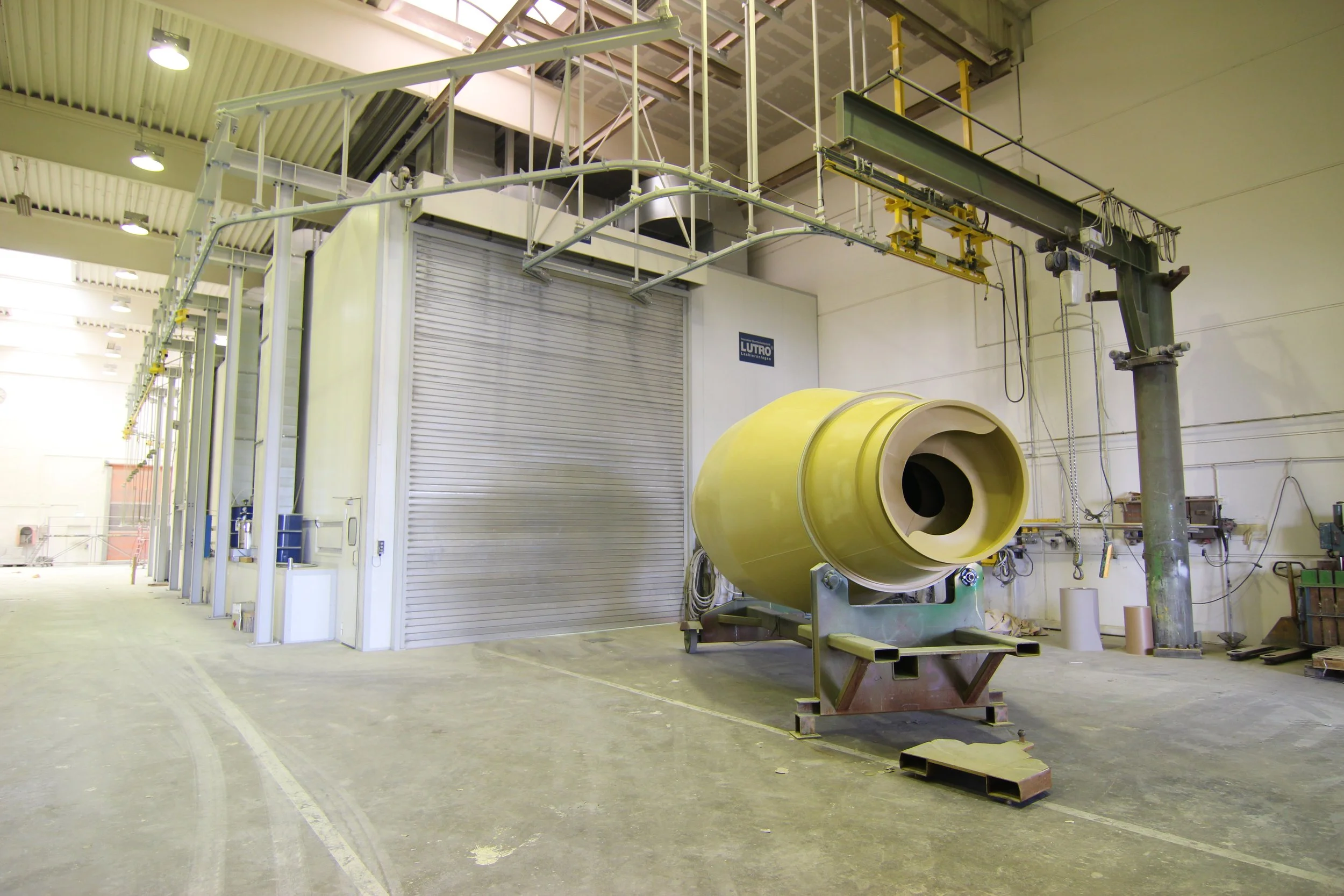
![Manual Overhead Monorail F70 Blasting Booth]()
Manual Overhead Monorail F70 Blasting Booth
-
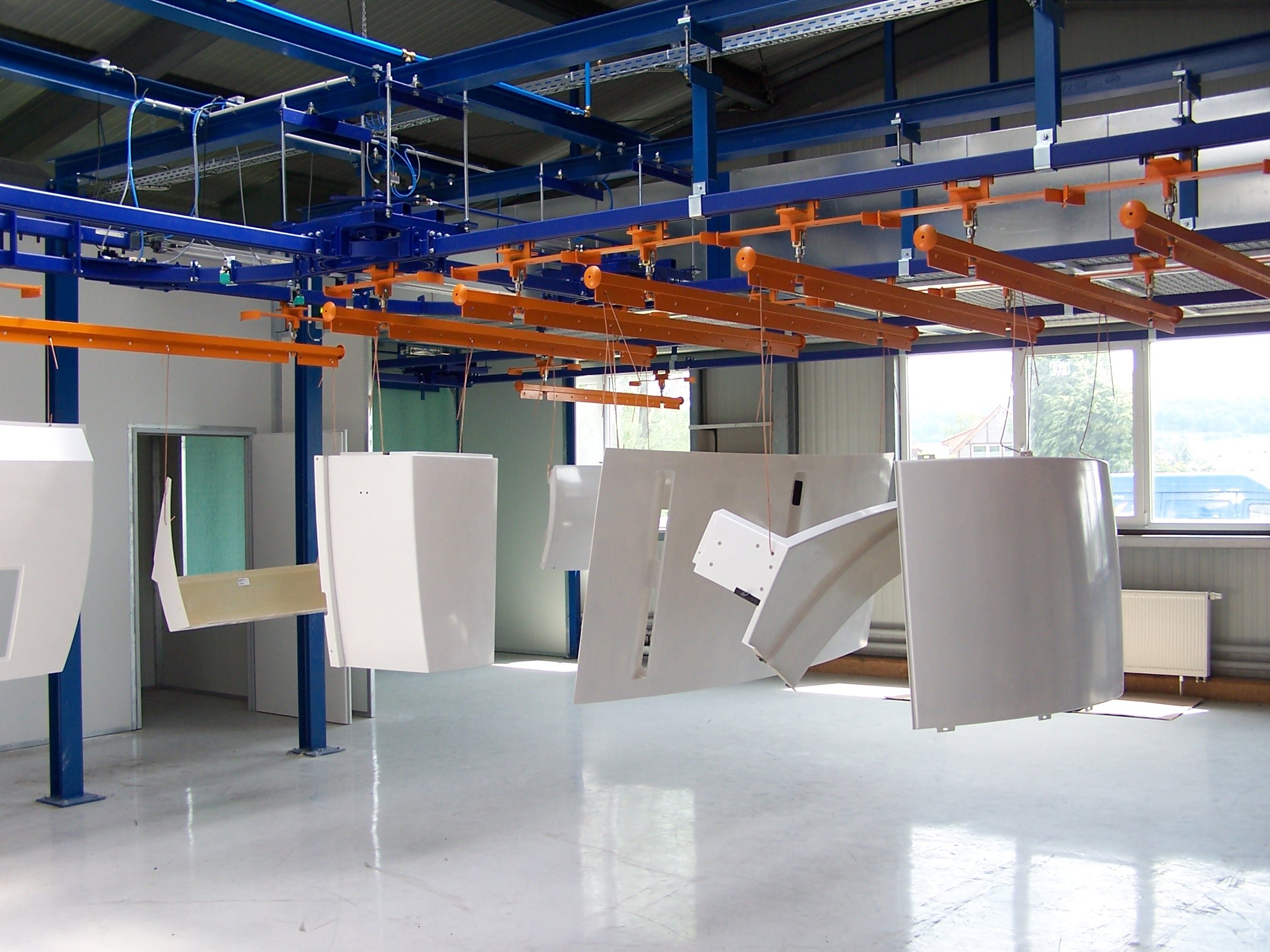
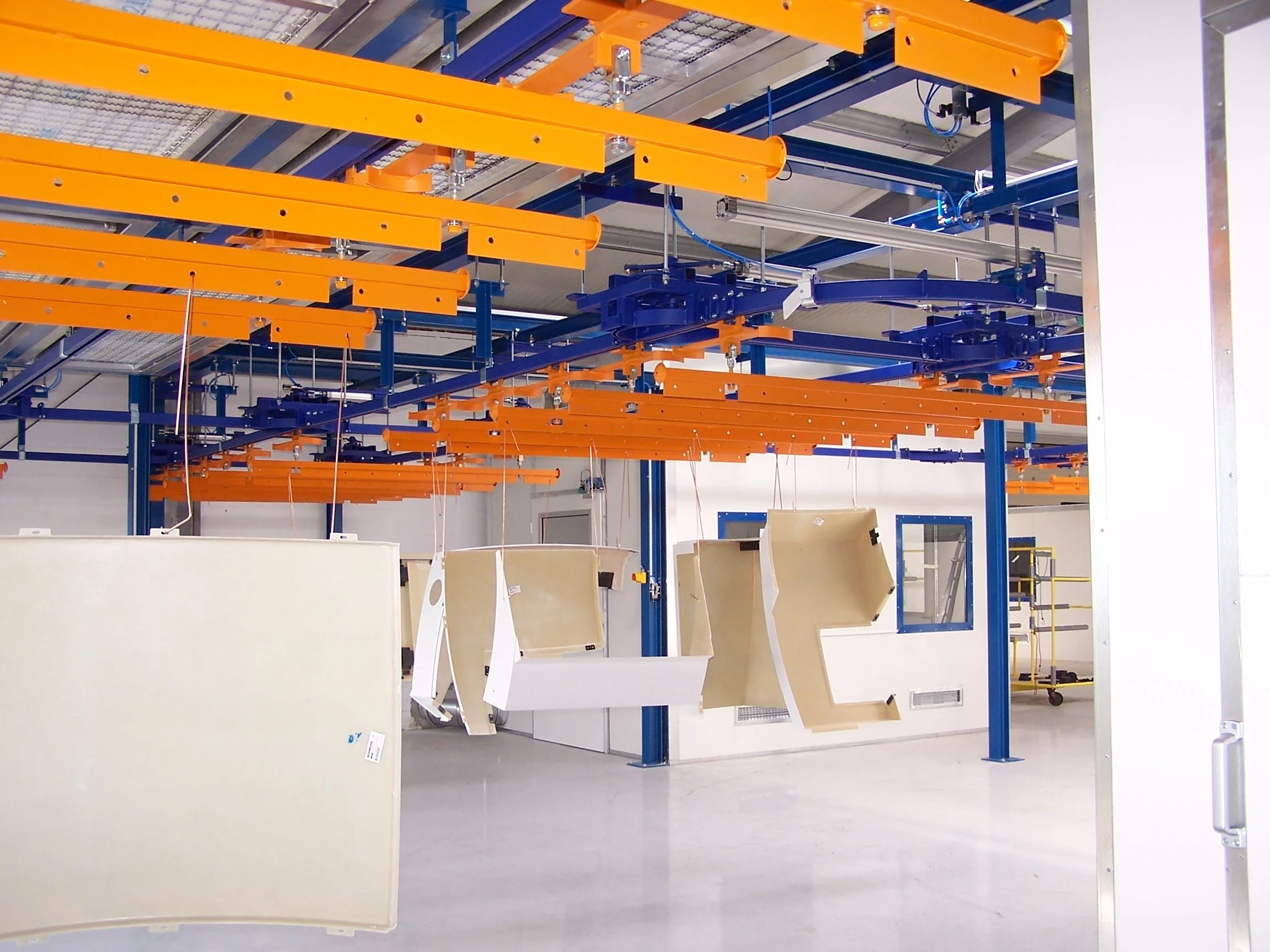
![Manual Overhead Monorail H100]()
Manual Overhead Monorail H100
-
![Manual Overhead Monorail H100]()
Manual Overhead Monorail H100
-
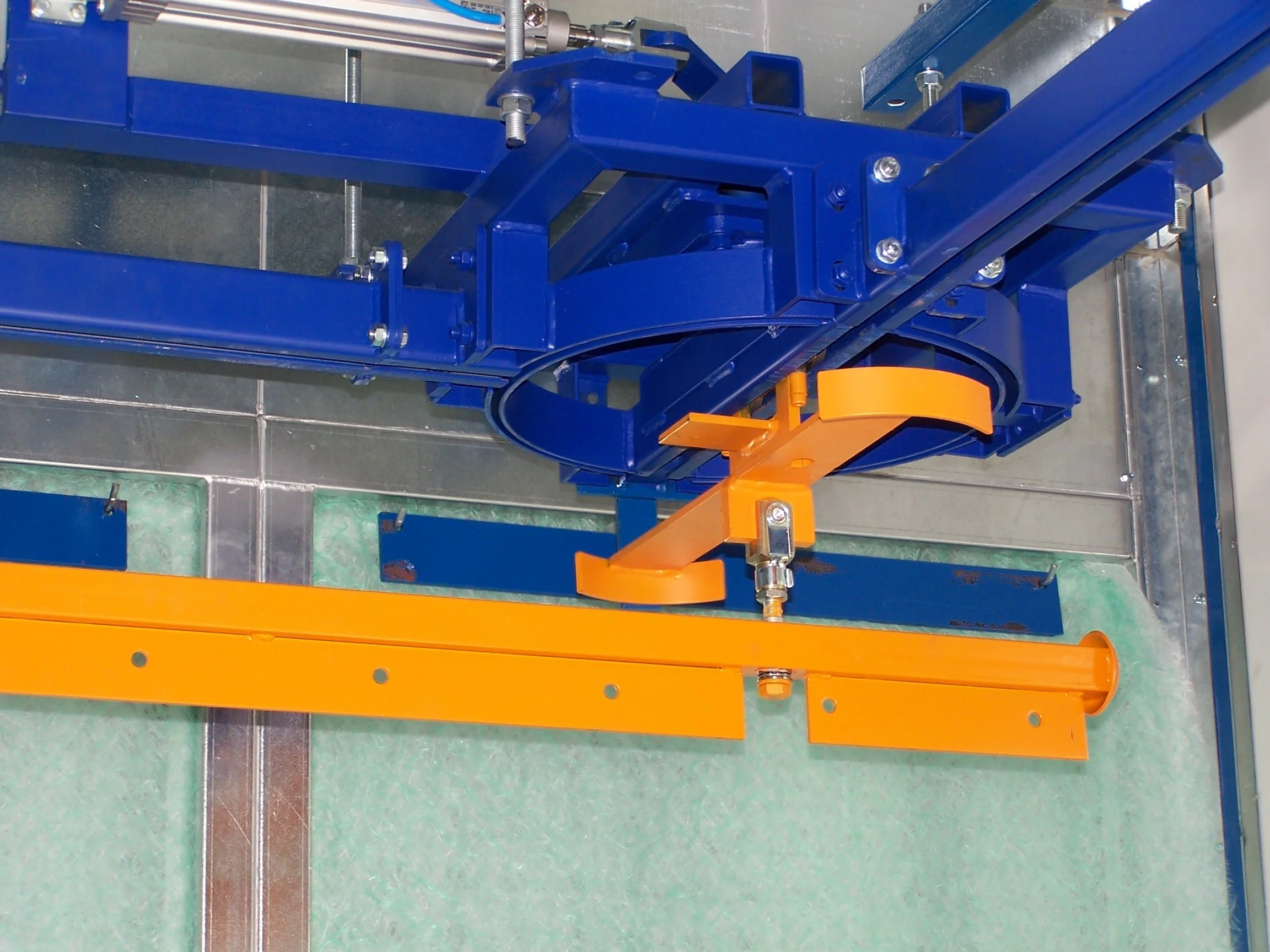
![Manual Overhead Monorail H100 Rotary Switch]()
Manual Overhead Monorail H100 Rotary Switch
-
![Manual Overhead Monorail H100 Lift-and-Lower Station]()
Manual Overhead Monorail H100 Lift-and-Lower Station
-
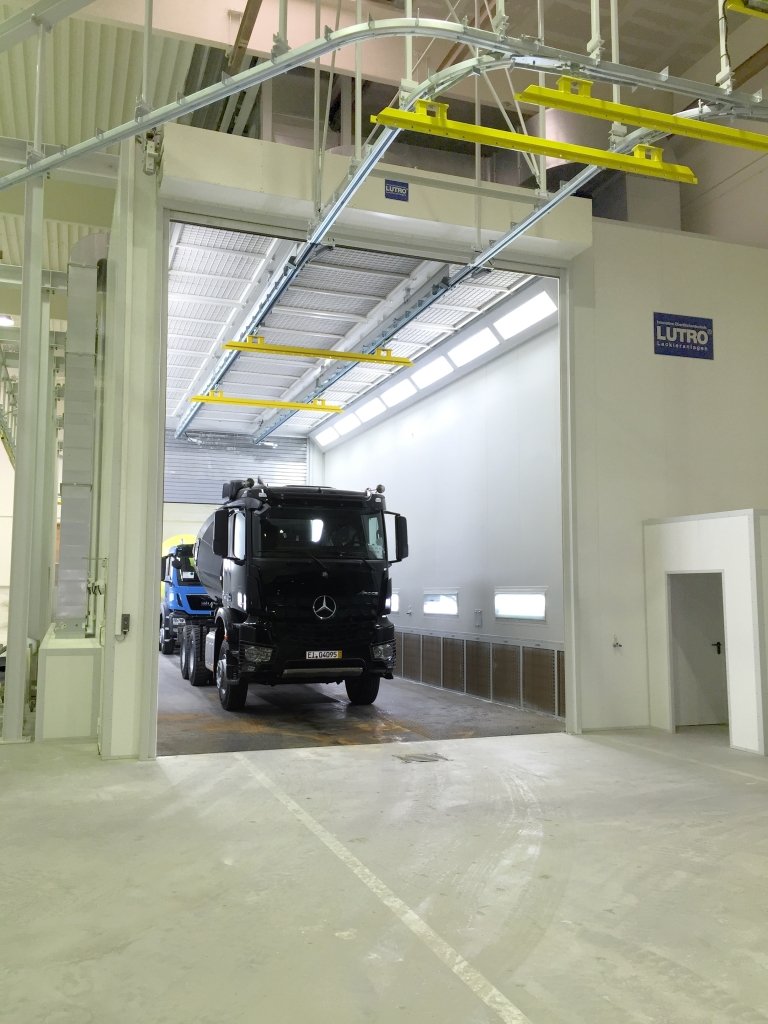
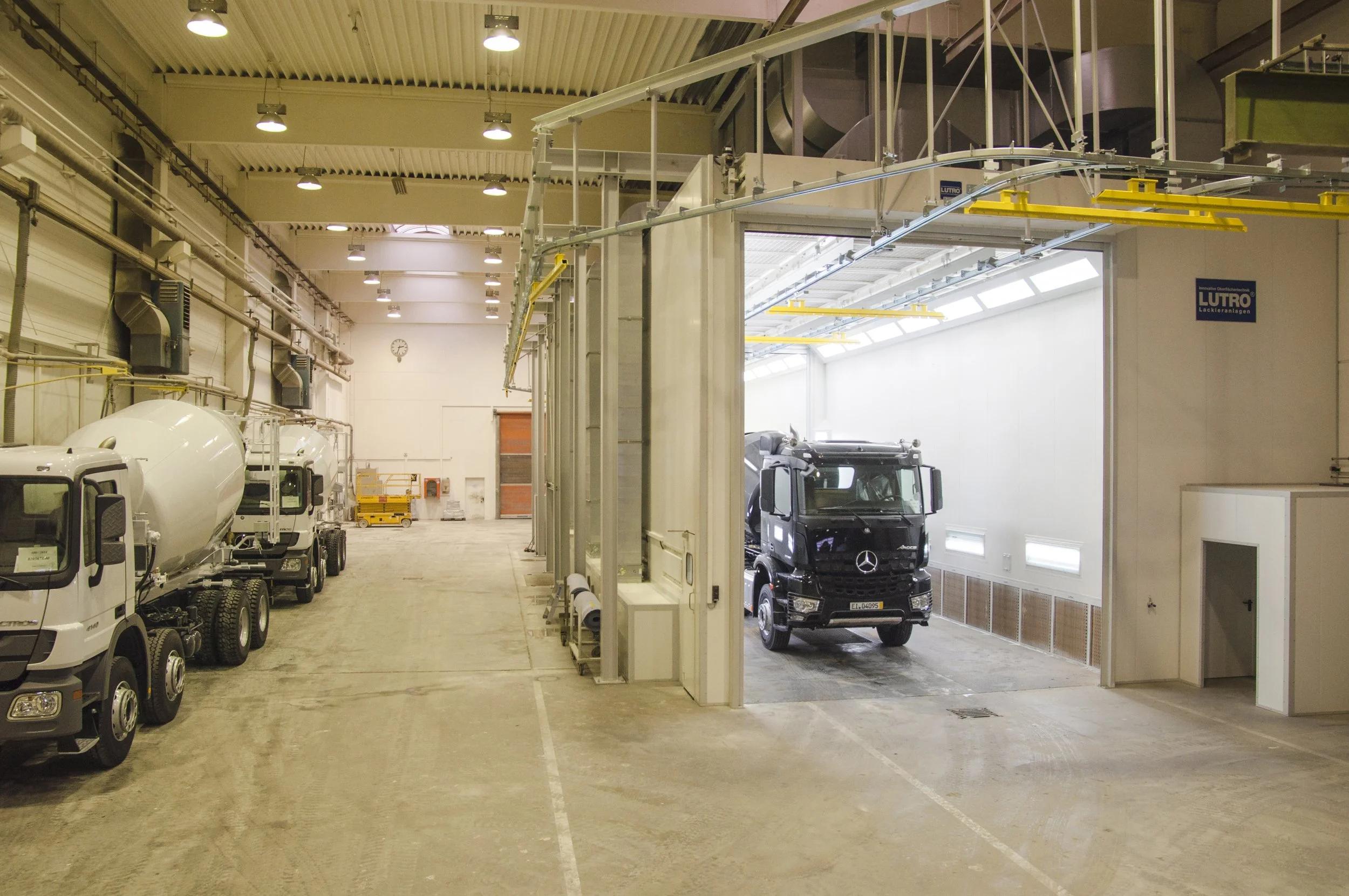
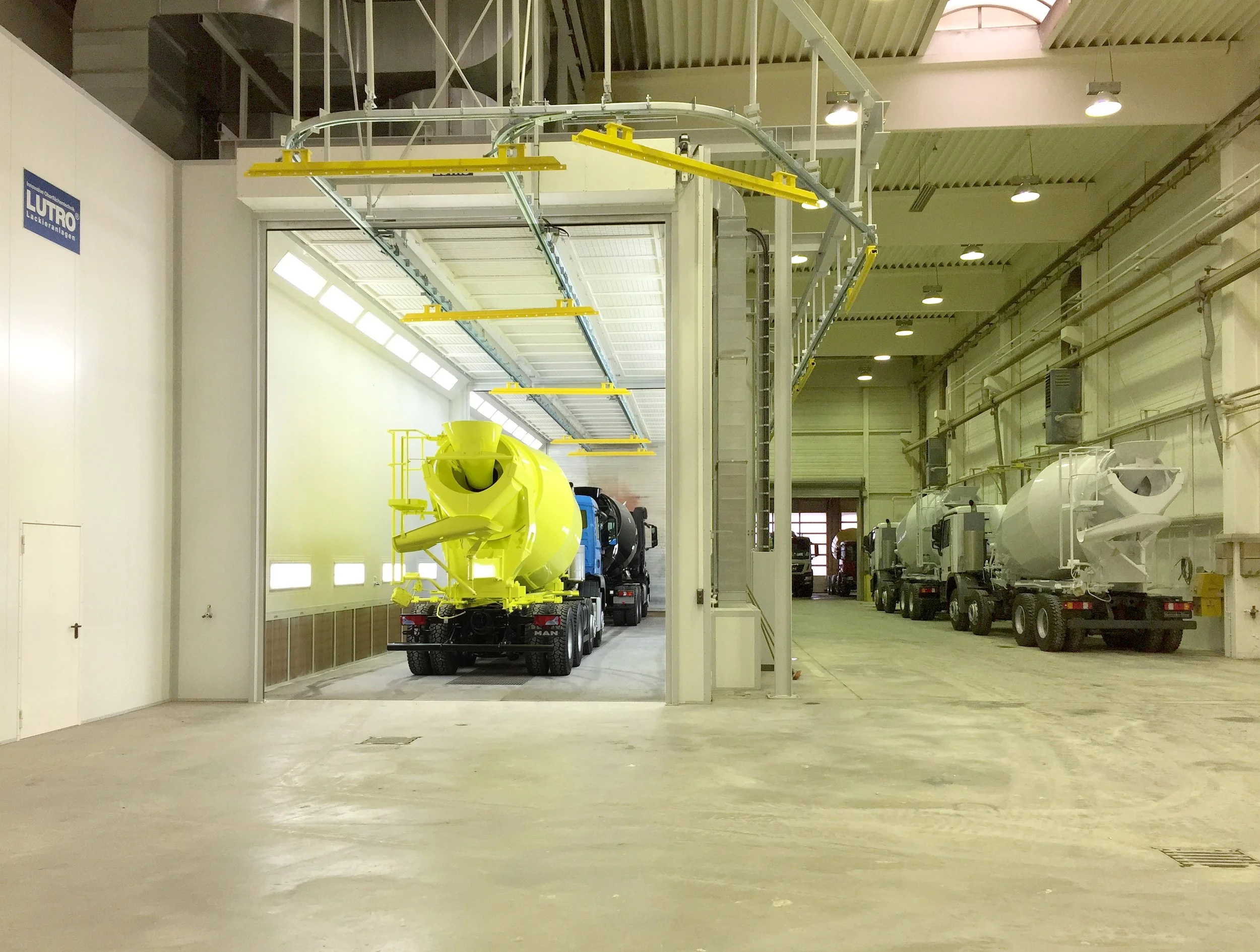
![Manual Overhead Monorail H100 Paint Booth]()
Manual Overhead Monorail H100 Paint Booth
-
![Manual Overhead Monorail H100 Paint Booth]()
Manual Overhead Monorail H100 Paint Booth
-
![Manual Overhead Monorail H100 Paint Booth]()
Manual Overhead Monorail H100 Paint Booth
-
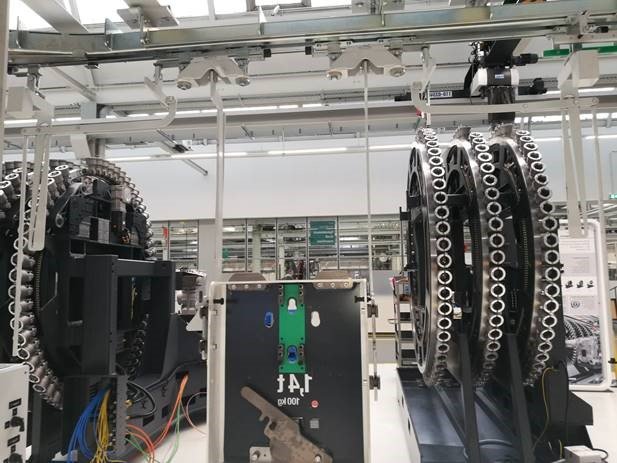
![Manual Overhead Monorail H150]()
Manual Overhead Monorail H150
-
![Manual Overhead Monorail H150 Workpiece]()
Manual Overhead Monorail H150 Workpiece